
Building Better Athlete: Single-Leg Progressions for High School Strength Programs

One of the biggest game-changers I’ve seen over the course of my career is the consistent development of single-leg strength and stability. Too often, young athletes are taught to load the bar before they learn to own their bodies. In a high school weight room, it’s not about chasing numbers — it’s about laying the foundation for long-term athletic success. That starts with mastering movement, and single-leg training is a big part of that foundation.
Why Single-Leg Training Matters
Think about the demands of sport: running, cutting, accelerating, decelerating — athletes spend most of their time on one leg. Single-leg strength builds balance, hip stability, and trunk control, which are critical for performance and injury prevention. When done right, these movements develop strength that transfers directly to the field, court, or track.
But here’s the key — it’s a progression. You don’t throw a freshman under a heavy barbell on Day One. You teach them how to move, how to stabilize, and how to generate force with control. Just like our bilateral lifts, single-leg work follows a structured plan: establish the base, build strength, then develop power.
Single-Leg Strength Progressions
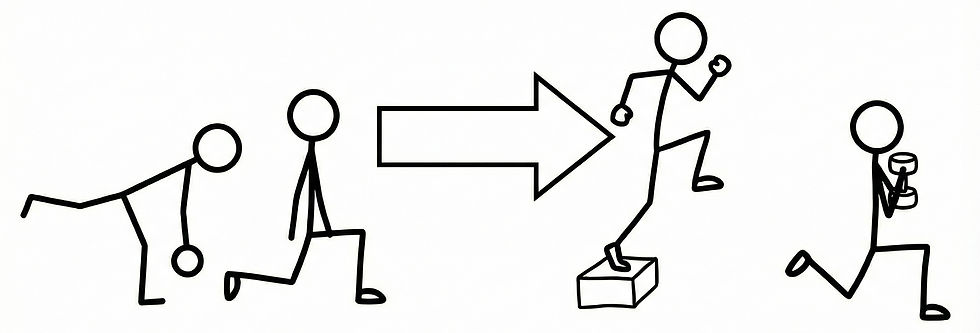
Phase 1: Establish the Base

Split Squat (Bodyweight → Goblet Load)
Step-Up (Low Box, Controlled Descent)
Single-Leg Glute Bridge
Coaching Point: Teach position, balance, and control. Don’t rush load — own the movement.
Phase 2: Add Load & Stability Challenges

Rear-Foot Elevated Split Squat (Goblet → Barbell)
Walking Lunges (Long Stride for Hip Extension)
Single-Leg Romanian Deadlift (DB/Kettlebell)
Skater Squats / Touchdowns
Coaching Point: Load comes after competency. Stability under tension is the bridge to athletic strength.
Phase 3: Power & Athletic Transfer
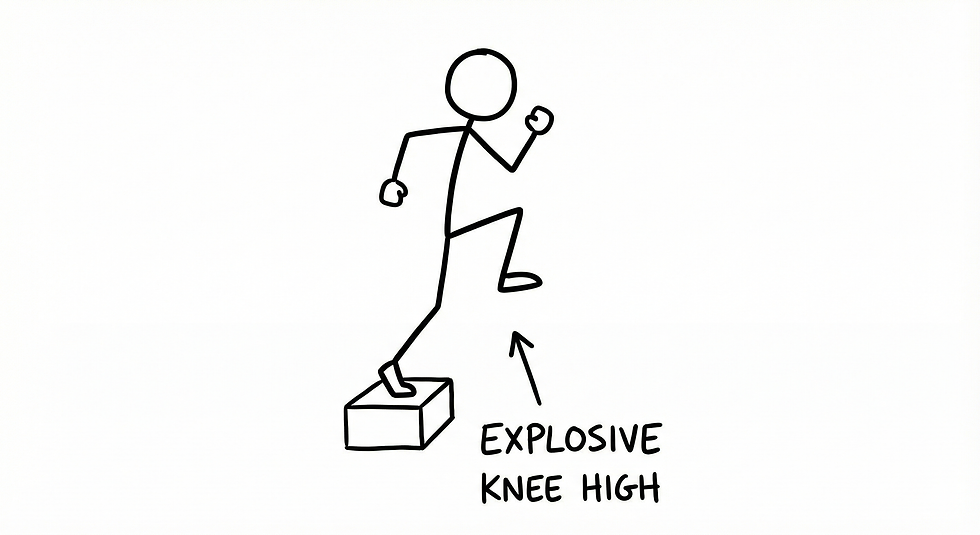
Lateral Step-Up to Drive (Explosive, Knee High)
Split Squat Jumps
Bounding / Alternating Hops
Pistol Squats (Advanced Progression)
Coaching Point: Now we train for sport. Explosiveness, deceleration, and control. Don’t chase novelty; chase mastery.
Final Word
Single-leg progressions aren’t just accessory work — they’re a pillar of athletic development. Done correctly, they teach posture, position, and power. As athletes develop competency, we can ads in more Frontal and Transverse plane movement variations. As a coach, your job is to build athletes who move well, stay healthy, and compete with confidence. Master the basics. Progress with intent. And remember — the foundation is built one rep at a time.

60 Second Strength Coach
Get straight to the point with our 60-second strength training insights. Our concise videos cover theory and application for strength training pros and dedicated weightlifters alike. Start watching for instant inspiration now.


After Obama says they're real, OK Win Game Login, Trump orders the release of government files on UFOs